

Moving into assisted living can feel more comfortable when the new space reflects the resident’s routines, preferences, memories, and sense of control. A room does not need to look exactly like a former house or apartment to feel personal. Familiar objects, predictable habits, and respectful support often matter more than expensive furnishings.
What helps assisted living feel like home?
Assisted living feels more like home when residents can recognize themselves in their surroundings and continue making everyday choices. Comfort comes from a combination of personal belongings, familiar routines, meaningful relationships, and an environment that supports independence.
A practical starting point is to identify what makes the resident’s current home feel familiar. This may include:
- A favorite chair near a window
- Certain morning or evening routines
- Family photographs and familiar artwork
- A preferred style of music, lighting, or decoration
- Regular phone calls or visits
- Favorite snacks, books, puzzles, or hobbies
- Religious, cultural, or seasonal traditions
These details can be shared with family members and assisted living staff before the move. A short written summary can be useful, especially when several people help with the transition.
How should a resident’s room be personalized?
The room should contain a manageable number of familiar items that are meaningful, safe, and easy to use. Too many belongings can create clutter, limit walking space, or make it difficult to find important items.
Useful additions may include:
- Framed family photographs
- A familiar blanket or quilt
- A small collection of books
- Artwork made by children or grandchildren
- A calendar with birthdays and appointments
- A favorite lamp, if permitted and safely placed
- Clearly labeled clothing and personal items
- A small piece of furniture with strong sentimental value
Furniture should be arranged to leave clear paths between the bed, bathroom, seating area, and doorway. Loose rugs, crowded side tables, and electrical cords across walking paths can increase fall risks. Items used every day should be placed within easy reach rather than high on shelves or in difficult-to-open containers.
For residents in Bethlehem, seasonal changes may affect what belongs in the room. Winters can bring cold temperatures and slippery outdoor conditions, while warmer months may call for lighter clothing and easy access to sun protection. A seasonal storage plan can prevent the room from becoming overcrowded.
Should everything from home be moved at once?
Usually, moving gradually works better than bringing every possession at the beginning. A smaller first arrangement gives the resident time to learn the room and identify what is missing.
A helpful approach is to divide belongings into three groups:
1. Needed immediately: clothing, medications managed according to the residence’s procedures, toiletries, mobility equipment, glasses, hearing devices, and daily comfort items.
2. Useful later: additional decorations, hobby materials, extra clothing, and selected furniture.
3. Better stored elsewhere: fragile valuables, excess paperwork, large collections, and items that cannot be used safely in the room.
The resident should participate in these decisions as much as possible. Even when physical assistance is needed, the person can often choose which photographs to display, where to place a chair, or which clothing to keep nearby.
How can familiar routines reduce stress?
Predictable routines can make a new setting easier to understand. Residents may feel more settled when waking, dressing, eating, resting, and going to bed follow a familiar pattern.
Family members can explain preferences such as:
- Whether the resident prefers an early or late breakfast
- The usual order of morning activities
- Preferred bathing times
- Favorite quiet activities
- Typical signs of tiredness, anxiety, or overstimulation
- Whether the resident likes conversation or quiet during meals
- The best time of day for visits
A routine should provide structure without becoming rigid. Assisted living residents still need choices. A person may prefer to sleep later on some days, skip a group activity, or spend time alone. Feeling at home includes having reasonable control over the day.
What role do family photographs and personal history play?
Personal history helps others understand the resident as an individual rather than only as someone receiving care. Photographs and familiar objects can also support conversation, especially during the first weeks after a move.
A simple “life story” page may include:
- Names and relationships of important people
- Favorite hobbies and past occupations
- Foods the resident enjoys or avoids
- Important traditions
- Preferred name or form of address
- Music preferences
- Places, activities, or subjects that bring comfort
- Situations that commonly cause frustration
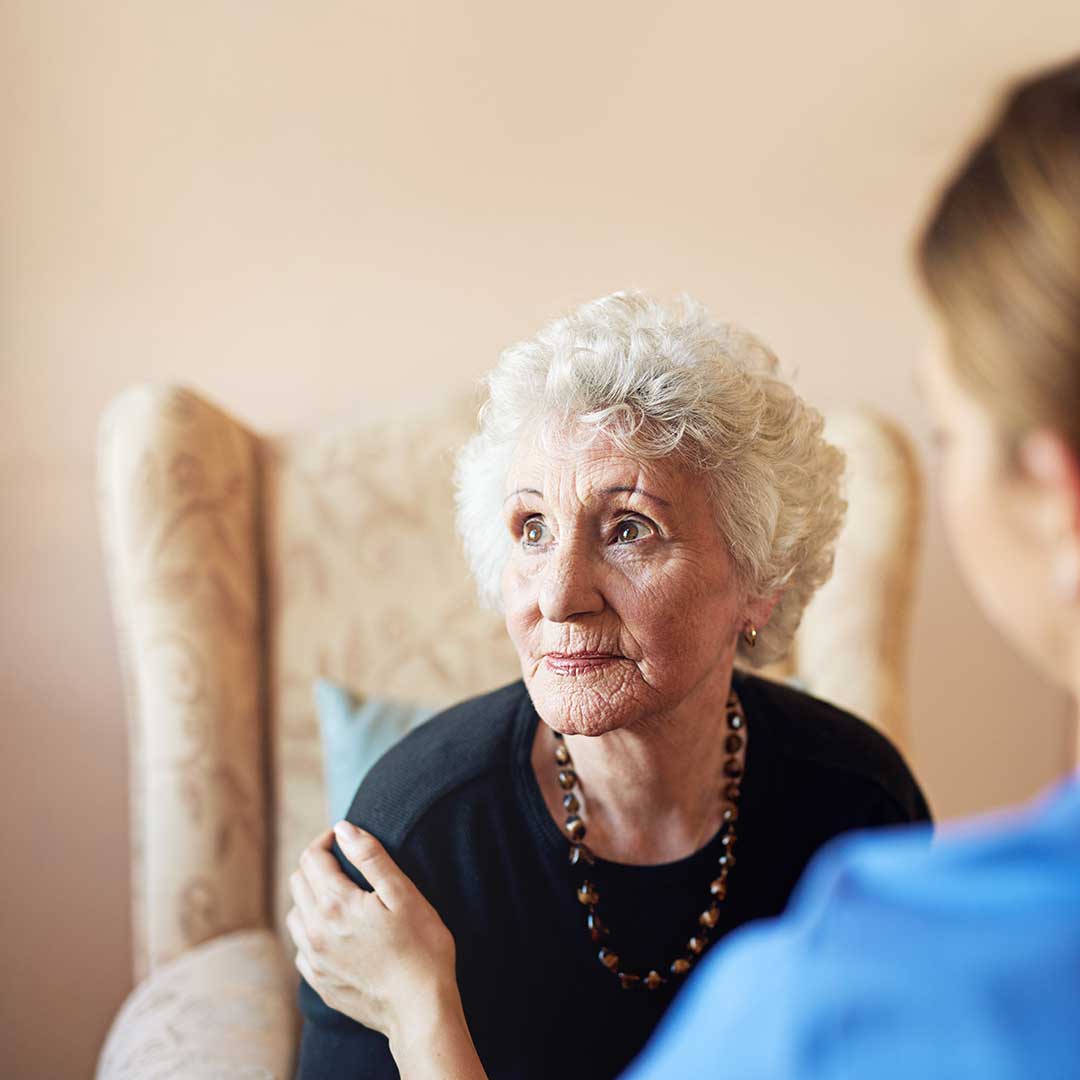
This information should be updated as staff and family learn more. It should not be used to make assumptions about the resident. Preferences can change, and a person may not always want to discuss the past.
How can residents stay connected to the surrounding community?
A sense of home includes connection beyond the residence. Visits, phone calls, video conversations, letters, and shared activities can help maintain relationships.
In Bethlehem, families may also need to plan for practical seasonal issues. Snow, ice, heavy rain, and summer heat can affect transportation and visiting schedules. A backup plan may include additional phone contact, rescheduling outdoor activities, or arranging visits during safer travel conditions.
The most meaningful visits do not have to be long. Looking through a photo album, folding laundry together, listening to music, sharing a snack, or sitting quietly can provide comfort. Visitors should follow the resident’s energy level rather than expecting every visit to include conversation or activity.
What if a resident has memory loss or becomes confused?
Residents with memory loss may benefit from clear visual cues, consistent room arrangements, and familiar objects. A large-print name card, a recognizable photograph, or a distinctive but safe decoration near the doorway may help with orientation.
Changes should be introduced slowly. Moving furniture repeatedly, replacing familiar items without explanation, or changing routines abruptly may increase confusion.
It is also helpful to watch for patterns. A resident who seems unsettled may be tired, hungry, uncomfortable, in pain, overwhelmed by noise, or unsure what is happening next. Calm explanations and simple choices are often more effective than repeated correction.
Sudden or significant changes in confusion, mood, balance, eating, or behavior should be reported through the residence’s established care process. These changes can sometimes reflect a medical problem rather than difficulty adjusting.
How can residents preserve independence?
A home-like environment allows residents to do as much as they safely can. Independence may involve choosing clothing, arranging personal items, watering a plant, selecting meals, or deciding which activities to attend.
Support should not automatically replace ability. If a resident can complete part of a task, assistance can focus on the difficult portion. For example, someone may choose an outfit even if another person helps with buttons or shoes.
Small choices matter because they reinforce identity and control. Residents should be included in decisions about room arrangements, schedules, visitors, activities, and personal routines whenever possible.
What should families avoid during the transition?
Families sometimes try to make the new room perfect immediately. That can create pressure for the resident and lead to unnecessary purchases or unwanted changes.
Common problems include:
- Bringing too many belongings
- Treating the room like a display rather than a living space
- Removing familiar items without asking
- Assuming a quiet resident is always content
- Comparing the new setting with the former home
- Insisting on activities the resident does not enjoy
- Ignoring privacy and personal boundaries
Settling in may take time. A resident can feel grateful for support and still miss a former home. Listening without dismissing those feelings helps create trust.
The most home-like assisted living environment is not defined by decoration alone. It is shaped by familiarity, dignity, personal choice, safe surroundings, and relationships that continue after the move.
