

What Activities Are Offered in Assisted Living Communities?
Most assisted living communities in Bethlehem, PA provide a range of structured and informal activities designed for social engagement, mental stimulation, and physical well-being. Offerings are adjusted for resident abilities and interests, so options are varied and flexible.
Residents may find:
- Group exercises like gentle yoga, seated aerobics, or walking clubs, with adjustments for different mobility levels.
- Creative pursuits, such as painting, crafts, music-making, or gardening—these foster self-expression and social connections.
- Games and puzzles, such as bingo, card games, word searches, or crosswords, that help with cognitive engagement.
- Holiday and seasonal celebrations tailored to local customs and weather, including harvest festivals, winter craft fairs, and spring planting days.
- Movie afternoons, book discussions, or organized talks that allow residents to engage in lifelong learning without leaving the community.
These regular events aim to support both daily structure and enjoyment, regardless of a person’s background or skill level.
How Are Activities Adapted for Different Abilities?
Assisted living staff are trained to tailor activities so everyone can participate safely. Adaptations often involve simplifying instructions, providing assistive tools, or modifying physical tasks.
For example:
- Residents with limited mobility might join chair-based exercises rather than standing routines.
- Art activities may use easy-to-grip brushes or adaptive tools for those with arthritis.
- Cognitive challenges, such as trivia or memory games, often offer hints or simplified categories for those with memory concerns.
Participation is always voluntary, and residents can suggest modifications or new activities to match their abilities and interests.
Are Outdoor Activities Safe and Accessible?
Outdoor spaces in the city are influenced by the changing seasons and the region’s climate. Most communities have secure courtyards, patios, or paved walking paths that are maintained to reduce slip and fall hazards, particularly during the icy winter months.
Warm weather allows for:
- Outdoor seating and social gatherings in gardens or shaded patios.
- Walking groups, bird-watching, or light gardening.
During late fall and winter, residents may enjoy shorter outdoor strolls, bundled up against the cold, or take part in window gardening and nature observation indoors.
Staff monitor weather conditions closely, and outdoor activities are modified when colder temperatures, rain, or snow make conditions less predictable. Resident safety and comfort are always the priority, and alternate indoor options are available if conditions change.
What Role Do Social and Cultural Activities Play?
Many residents seek community connections and purposeful days. Assisted living programming often incorporates:
- Music performances, sing-alongs, or themed dance nights that reflect local traditions.
- Religious observances or group discussions that respect different backgrounds.
- Community service projects, such as preparing cards for local hospitals or collecting food donations, create a sense of contribution.
These opportunities help maintain a sense of identity and keep local traditions alive within the community, supporting emotional health and belonging.
How Are Activity Schedules Designed?
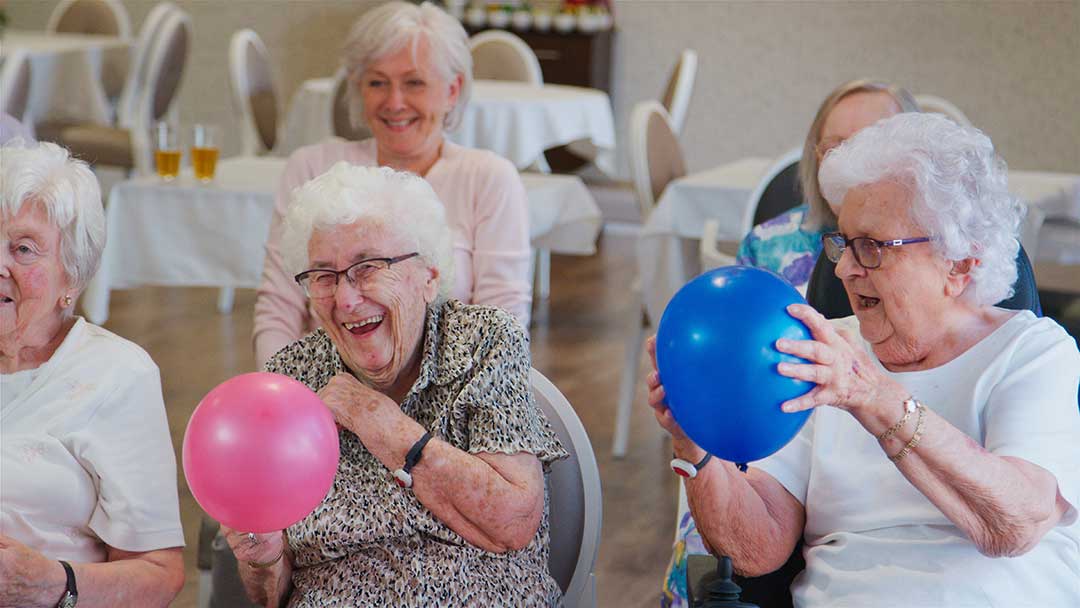
Recreation calendars are typically created with input from residents, families, and staff. Most schedules feature dozens of recurring events, with flexibility for special occasions or spontaneous requests.
Practical considerations include:
- Resident feedback gathered during meetings or suggestion boxes.
- Balancing structured group events with unstructured time for personal hobbies, reading, or quiet relaxation.
- Consideration of family and visitor participation, especially for birthdays, holidays, or milestone celebrations.
Residents can request activity changes or propose new ideas at any time, encouraging a feeling of shared ownership of community life.
Can Residents Stay Active in the Larger Bethlehem Community?
Residents sometimes worry that moving to assisted living will limit participation in beloved activities or access to the city’s amenities. In reality, many communities provide supervised outings or coordinate visits from local groups and volunteers.
Common local engagement options might include:
- Attending musical or theater performances by area groups.
- Taking part in community fairs or seasonal events.
- Visits to nearby parks or museums, as appropriate for residents’ interests and physical abilities.
Transportation and mobility needs are accommodated, and outings are structured to ensure comfort and safety for all. Family members often join these trips, strengthening community connections across generations.
What Should New Residents Know About Adjusting to Community Activities?
It’s common for new residents to feel hesitant about joining unfamiliar groups or routines. Staff often encourage gentle participation, allowing residents to observe first and join when ready. Flexibility and patience are central—there is no pressure to attend every event.
Practical tips for newcomers:
- Ask for an activity calendar and highlight events of interest.
- Start with low-key activities such as small discussion groups or arts and crafts.
- Suggest a favorite hobby or pastime to staff; many are open to creating new programs based on resident interest.
Adjustment looks different for everyone. With time, many residents find a comfortable balance between socializing, learning, and quiet enjoyment—leading to a rich and varied daily life.
