
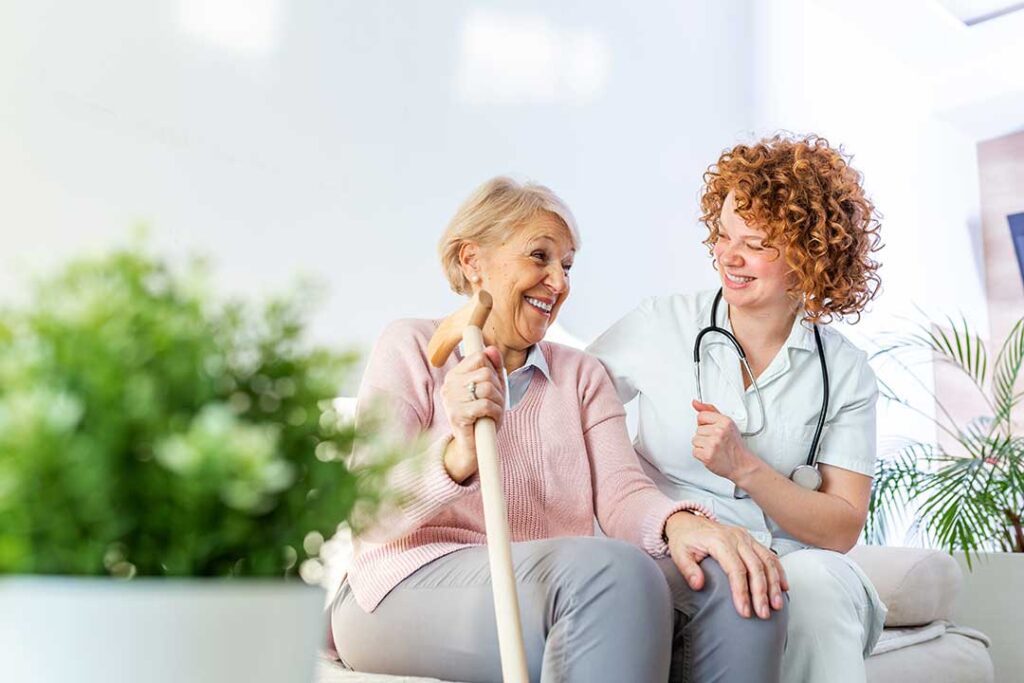
How Does Assisted Living Create Opportunities for Social Connection?
Assisted living environments are specifically designed to make socializing easier for residents. Unlike living alone, these communities provide settings where residents can meet neighbors, participate in activities, and share common spaces. This setup leads to organic daily interactions that may be absent for older adults living independently, particularly in regions like Bethlehem, PA, where winter weather or distance from family can result in extended isolation.
Social spaces commonly include shared dining rooms, community lounges, outdoor patios, and activity rooms. Regularly scheduled meals encourage both casual conversation and meaningful connection, making it simple for people to meet others with similar interests. In addition, common areas are often accessible year-round, even when local weather limits outdoor activity, ensuring regular chances for interaction regardless of season.
What Everyday Experiences Bring Residents Together?
Residents of assisted living communities are likely to cross paths many times each day, whether they are grabbing a cup of coffee in a shared lounge or attending a scheduled movie night. The rhythm of daily life—morning exercise groups, craft sessions, or simply walking the hallways—supports social engagement as a natural part of life.
Some common ways residents form friendships include:
- Attending group fitness or wellness classes tailored for older adults
- Playing games such as cards, bingo, or puzzles
- Sharing meals or sitting together during community events
- Collaborating on group projects like gardening, book discussions, or art workshops
Additionally, residents in Bethlehem often appreciate seasonal events that reflect local traditions, from autumn harvest celebrations to spring flower plantings. These shared experiences are tailored to familiar customs and regional rhythms, fostering a sense of belonging.
Can Assisted Living Help Prevent Loneliness?
The design and culture of assisted living can reduce feelings of isolation. Living alone, especially after the loss of a spouse or friend, raises the risk of loneliness—which can impact physical and mental health. Assisted living offers built-in ways to connect with a broad range of peers who may have faced similar life experiences.
Residents who struggle with mobility or health issues are not left out, as staff and adapted facilities help include everyone. Group activities, accessible transportation for local outings, and supportive staff create multiple ways for every person to feel involved—even if socializing has become difficult at home.
What Role Do Staff Play in Supporting Social Well-Being?
Staff members in assisted living communities are often trained not only in care but also in building positive social environments. They routinely organize activities, facilitate discussions, or introduce new residents to their neighbors. Staff can identify residents who may be hesitant to participate and gently encourage engagement without being intrusive.
In the snowy winter months, when residents of Bethlehem may be less likely to venture outside, staff-led social activities ensure that community life continues indoors. This ongoing social support helps keep everyone connected and engaged.
How Do Local Traditions and Environment Shape Community Life?
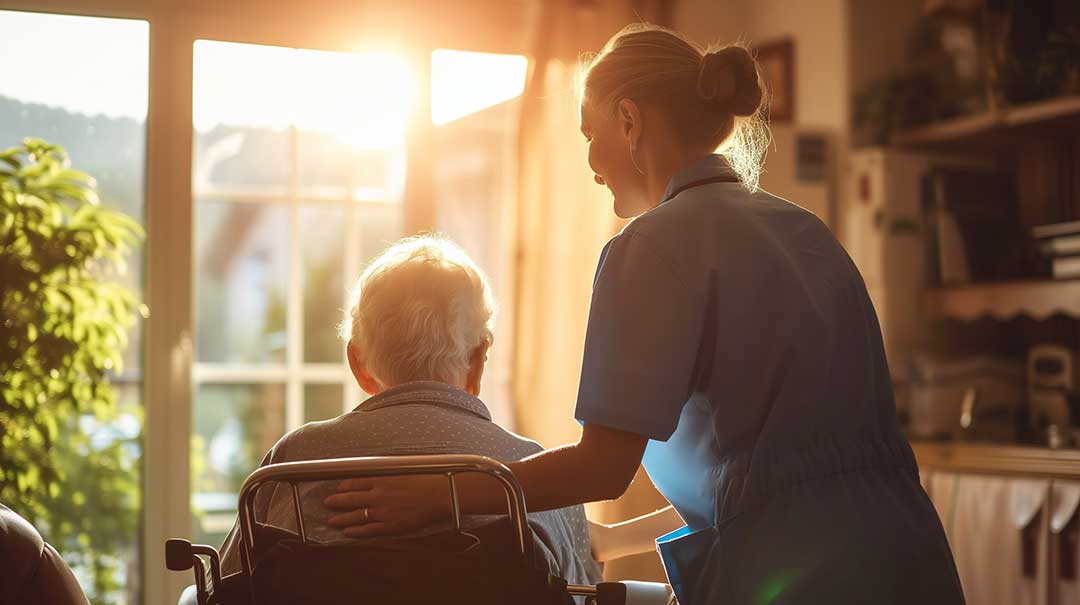
In communities like Bethlehem, annual events, regional holidays, and seasonal changes are important aspects of social life. Assisted living communities often celebrate familiar holidays and organize outings to local cultural sites or parks when possible. Participating in activities tied to local traditions—such as fall festivals or holiday baking—can help residents maintain a sense of continuity and connection with the wider community.
Assisted living can also respond to local needs, such as offering indoor activities during icy winters or outdoor gatherings when the weather is pleasant. This flexibility helps residents feel comfortable and supported, regardless of the season.
What Misconceptions Exist About Social Life in Assisted Living?
Some people worry that moving into assisted living will mean giving up independence or being forced into unwanted activities. In practice, most communities emphasize choice—residents can decide when, how, and with whom they spend their time. Participation in group events is typically optional, and people are encouraged to pursue their interests at their own pace.
Another misconception is that friendships in assisted living are superficial. In reality, residents often form deep connections, supporting one another through health changes and life milestones. The shared environment—combined with staff who encourage respectful, inclusive socializing—can make it easier to find common ground.
How Can Families Support Social Engagement?
Families can play a significant role in helping loved ones stay socially active in assisted living. Visiting regularly, participating in community events, and staying involved with local traditions can strengthen connections both inside and outside the community. For residents who are adjusting to their new home, encouragement from family members to try new activities or meet new people can make a lasting difference.
If a resident seems withdrawn, families can ask about opportunities for engagement—such as volunteer programs, intergenerational activities, or local partnership events—that may help spark interest.
Are There Special Considerations for Social Connection in This Region?
Bethlehem’s climate and community culture affect social life in unique ways. During cold or snowy months, residents may rely more on indoor programs and community spaces. Scheduled transportation for group visits to local attractions—such as public gardens or museums—can also help maintain community ties.
Assisted living communities in the area often coordinate with local organizations and municipal programs to provide resources and opportunities specific to local residents. This can include educational talks, performances by local groups, or collaborative service projects that keep residents actively connected with the broader community.
