
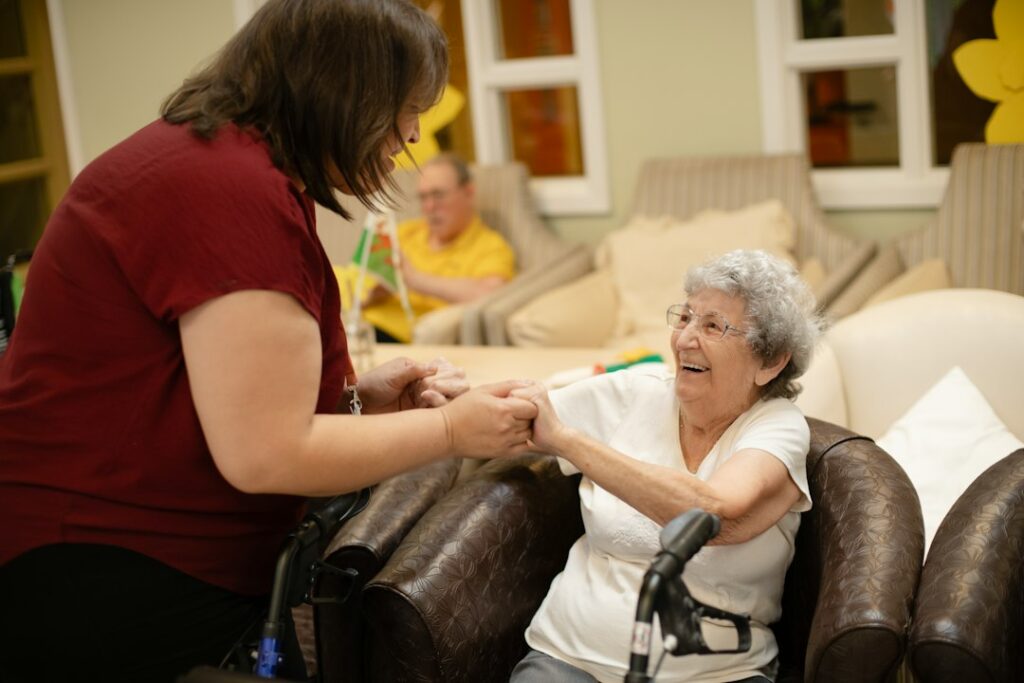
Quality assisted living care is visible in everyday details: residents are treated with dignity, staff respond promptly, apartments and common areas are safe, and care plans reflect each person’s changing needs. A welcoming building can be helpful, but the strongest evidence comes from how residents are supported during ordinary routines, unexpected problems, and changes in health.
What does quality care look like day to day?
High-quality care is consistent, respectful, and individualized. Staff members know residents by name, understand their routines, and provide assistance without taking away more independence than necessary.
Look for signs such as:
- Residents appear clean, comfortable, and appropriately dressed.
- Staff speak calmly and respectfully, including when a resident needs repeated reminders.
- Meals, activities, bathing, medication assistance, and transportation are organized without feeling rushed.
- Residents are offered choices about schedules, clothing, dining, activities, and personal routines.
- Staff explain what they are doing before assisting with transfers, bathing, dressing, or other private tasks.
- Call systems, alert devices, and other methods of requesting help are used reliably.
Quality care does not mean every resident is cheerful at every moment. Residents may be tired, living with memory loss, or adjusting to a major transition. The more useful question is whether staff respond with patience and appropriate support.
How can families evaluate staffing and responsiveness?
Staffing quality is more than the number of employees listed on a schedule. Residents need enough trained staff available at the times assistance is most needed, including mornings, evenings, meal periods, medication times, and overnight hours.
During a visit, ask:
- Who helps residents during a sudden change in condition?
- How are call lights or emergency alerts monitored?
- What happens when a staff member calls off?
- How long do residents typically wait for assistance with toileting, transfers, or meals?
- Are nurses or other qualified health staff available, and during which hours?
- How are new employees trained before working independently?
- What additional training is provided for dementia care, falls, medication assistance, or behavior changes?
Pay attention to whether answers are specific. A vague statement that “someone is always available” is less informative than an explanation of who is on duty, how residents request help, and how coverage is maintained.
A brief visit may not show the full picture. If possible, observe the residence at different times of day. Early mornings can reveal whether residents receive timely help getting up and ready. Evenings may show how well the residence handles dinner, medications, and bedtime routines.
What should families look for in resident safety?
A safe residence is clean, well maintained, and designed around the abilities of the people who live there. Safety features should support independence rather than make the setting feel restrictive.
Check whether:
- Hallways are free of clutter, loose rugs, and blocked exits.
- Handrails, grab bars, lighting, and flooring appear appropriate for older adults.
- Bathrooms have enough space for mobility equipment and assistance.
- Doors, elevators, stairways, and outdoor areas are secure when needed.
- Emergency exits are clearly marked and accessible.
- Residents who wander or become disoriented have an appropriate safety plan.
- Outdoor walkways can be used safely during rain, snow, ice, and freezing conditions.
Seasonal weather deserves special attention in Bethlehem. Ask how the residence handles icy walkways, power outages, heating problems, extreme temperatures, and transportation interruptions. Emergency planning should address evacuation, relocation, medication access, communication with families, and the needs of residents who require mobility equipment or memory support.
How are care plans created and updated?
A care plan should describe what assistance a resident needs, what the resident can still do independently, and how staff should respond to health or behavior changes. It should not be treated as a one-time admission document.
Ask how the residence handles:
- Changes in walking ability or fall risk
- Weight loss, dehydration, or reduced appetite
- New confusion, anxiety, or sleep problems
- Medication changes
- Hospital or rehabilitation discharges
- Wounds, infections, or other medical concerns
- Declining ability to bathe, dress, eat, or use the bathroom independently
Strong care planning includes the resident and, when appropriate, family members or legally authorized representatives. The resident’s preferences should be documented rather than left to informal staff memory.
In Pennsylvania, assisted living residences and personal care homes are distinct types of licensed residential settings, with different regulatory requirements and service models. Families should confirm that the setting is licensed for the level of care being offered and ask what happens if a resident’s needs eventually exceed the residence’s capabilities.
What are signs of good medication and health support?
Medication assistance should be organized, private, and carefully documented. Staff should know which medications a resident takes, when they are given, and what to do if a dose is refused, missed, vomited, or appears to cause a problem.
Questions worth asking include:
- Who orders, stores, administers, or assists with medications?
- How are medication changes communicated after a doctor’s visit or hospital stay?
- What safeguards prevent mix-ups between residents?
- How are side effects, refusals, and missed doses documented?
- How quickly are changes in condition reported to the appropriate person?
- How does the residence coordinate appointments, outside medical services, and follow-up care?

A quality residence should also have a clear process for responding to falls, injuries, illness, behavioral changes, and other urgent concerns. Staff should be able to explain when family members are notified and when emergency medical services are called.
Are meals, activities, and social life part of quality care?
Yes. Assisted living is a residential setting, not simply a place where tasks are completed. Food, social connection, meaningful activity, and personal choice affect health and emotional well-being.
Observe whether meals look appealing, are served at reasonable temperatures, and can be adapted for dietary restrictions or swallowing concerns. Ask how residents receive snacks, fluids, special diets, and assistance during meals.
Activities should include more than a calendar posted on a wall. Quality programming offers options for different abilities and interests, such as music, exercise, crafts, discussion, outdoor time, spiritual practices, and quiet activities. Residents should not be pressured to participate, and those who stay in their rooms should still receive attention and opportunities for connection.
What records and policies should families review?
Pennsylvania assisted living residences are required to display their current license and inspection summary in a public area. Families can review these materials and ask how any cited problems were corrected.
Also request information about:
- Resident rights and grievance procedures
- Fees for additional care or services
- Staffing and supervision
- Emergency preparedness
- Discharge or transfer policies
- Infection prevention
- Personal belongings and apartment furnishings
- Family communication during emergencies
- Procedures for suspected abuse, neglect, or financial exploitation
A residence should answer questions without discouraging reasonable review. Residents have rights to dignity, privacy, communication, personal possessions, and freedom from abuse, neglect, exploitation, and involuntary seclusion.
What warning signs should not be ignored?
Some concerns deserve closer attention, especially when they appear repeatedly:
- Strong odors, poor cleanliness, or obvious maintenance problems
- Residents left waiting for help with basic needs
- Staff who seem unfamiliar with residents’ names or care needs
- Frequent unexplained changes in staff
- Unanswered call systems
- Repeated medication errors or unclear medication explanations
- Residents appearing fearful, overly sedated, dehydrated, or neglected
- Staff discouraging private conversations with residents or family members
- Promises about care that are not clearly written in the agreement
No residence will operate perfectly every day. The key issue is whether concerns are acknowledged, investigated, documented, and corrected. Families should compare what they are told with what they observe and with what residents themselves report.
The clearest sign of quality care is a dependable pattern: residents are known as individuals, assistance is provided safely, changes are noticed early, and people retain as much choice and independence as their health allows.
