
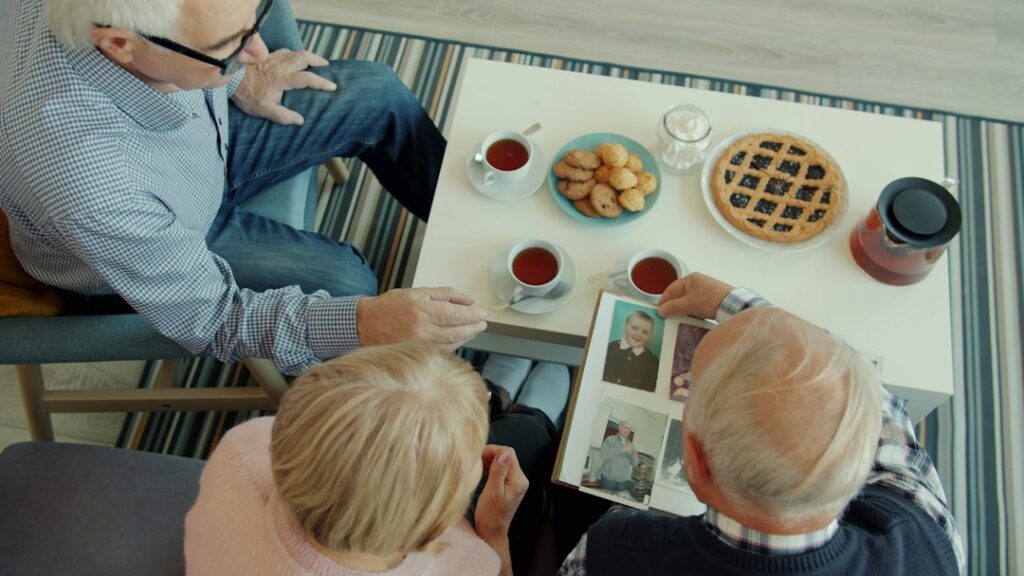
Moving into assisted living can bring relief, uncertainty, grief, and frustration at the same time. Older adults may be adjusting to a new room, unfamiliar routines, shared spaces, and changes in independence. Families can make the transition easier by offering steady support without taking over every decision.
Adjustment rarely happens in a single week. Many residents need several weeks or months to develop confidence, recognize familiar faces, and feel comfortable participating in daily life.
What makes the transition difficult?
The move is not only a change of address. It may also involve losing a familiar home, giving up household responsibilities, changing daily habits, and accepting help with personal tasks.
Some older adults may be concerned about:
- Losing privacy or control
- Being viewed as less capable
- Missing a spouse, pet, neighbors, or familiar possessions
- Feeling lonely in a busy setting
- Understanding a new medication, dining, or activity routine
- Worrying that family members will visit less often
- Feeling embarrassed about needing assistance
A person who seems irritable, withdrawn, or unusually quiet may be overwhelmed rather than ungrateful. Listening calmly can reveal whether the concern involves noise, sleep, meals, pain, confusion, personal care, or homesickness.
How can family members support adjustment without taking over?
Family support works best when it protects dignity and encourages appropriate independence. Instead of completing every task, relatives can ask what kind of help would be useful.
Helpful questions include:
- “Would you like me to help organize this, or would you rather do it yourself?”
- “Which part of the day feels hardest?”
- “Is there anything in the room that makes it feel unfamiliar?”
- “Would you like to attend an activity, or would you prefer a quieter visit?”
- “What would make tomorrow feel more manageable?”
Avoid making major changes to the room, schedule, or personal belongings without involving the resident. Even small decisions—where to place a chair, which clothing to keep nearby, or when to make phone calls—can restore a sense of control.
If memory loss or cognitive impairment is present, offer simple choices rather than broad questions. Choosing between two shirts or two activities may be easier than deciding what to do for the entire day.
What should be brought from home?
Familiar belongings can make a new room feel more personal, but too many items may create clutter or safety risks. A few meaningful objects are often more helpful than a complete recreation of the former home.
Consider bringing:
- Family photographs with names written on the back
- A favorite blanket, quilt, or pillow, if permitted
- A familiar clock or calendar
- Comfortable clothing that is easy to identify
- A small collection of books, music, or magazines
- A favorite chair or lamp when space and safety allow
- Familiar scents, such as a mild lotion, if they do not bother other residents
Label clothing and personal items according to the residence’s procedures. Avoid loose rugs, crowded walkways, unstable furniture, candles, or appliances that could create fire or fall hazards.
Residents in Bethlehem may also need clothing for changing seasonal conditions. Winters can bring cold temperatures and snow, while warmer months may require lightweight layers and sun protection. Keeping seasonally appropriate clothing accessible can reduce frustration and make dressing easier.
How can visits be helpful instead of overwhelming?
Short, predictable visits are often easier than long, unplanned stays. A relative may be tired after a busy activity, personal care, or a poor night of sleep. Visiting at a consistent time can provide reassurance and help establish a dependable rhythm.
During a visit, consider doing an ordinary activity together:
- Looking through photographs
- Folding clothing
- Listening to familiar music
- Taking a supervised walk
- Sharing a snack, if permitted
- Reading a newspaper or short article
- Sitting quietly without requiring conversation

Families sometimes expect every visit to be cheerful and productive. That expectation can create pressure. A calm visit can still be valuable, even if the resident says little.
If traveling becomes difficult during winter weather, regular phone or video conversations may help maintain connection. However, some older adults find technology confusing, so a simple call may be more comfortable than a video visit.
How can residents become familiar with the new routine?
Predictability lowers stress. Families can help by learning the daily schedule and referring to it in simple terms. A visible calendar may help with appointments, family visits, birthdays, and planned activities.
Encourage participation gradually rather than insisting on immediate involvement. A resident may first feel comfortable eating in a common area, then attending a small activity, and later joining a larger group.
It can also help to identify one or two familiar staff members or neighbors. Recognizing people by name can make hallways, dining areas, and activity spaces feel less intimidating.
If the resident dislikes an activity, that does not necessarily mean the person dislikes all social contact. The issue could be the time of day, group size, noise level, or type of activity. A quieter option may be a better fit.
What signs suggest that adjustment is not going well?
Some sadness and frustration are normal after a move. Persistent or worsening changes deserve attention, especially when they interfere with eating, sleeping, medication routines, mobility, or communication.
Watch for:
- Ongoing refusal to leave the room
- Significant loss of appetite or unexplained weight change
- Frequent crying, panic, or anger
- New confusion or sudden behavior changes
- Repeated complaints of pain or illness
- Trouble sleeping for several nights
- Statements about feeling hopeless or not wanting to live
- Falls, wandering, or attempts to leave unsafely
Families should share specific observations with the appropriate care team rather than assuming the behavior is simply part of aging. Sudden confusion, weakness, fever, severe pain, or a major change in alertness may require prompt medical attention.
Emotional distress can also be intensified by hearing loss, poor vision, medication effects, untreated pain, constipation, dehydration, or an uncomfortable room temperature. Addressing a physical problem may improve behavior more than adding activities.
How should families respond if the resident says, “I want to go home”?
This statement may express homesickness, fear, confusion, or a desire for familiar routines rather than a practical plan to leave. Arguing about whether the residence is now “home” can make the conversation more upsetting.
A calmer response acknowledges the feeling first: “You miss your house. That makes sense.” Then offer reassurance and a specific next step, such as looking at family photos, having tea, or planning the next visit.
If the request continues, ask what the resident misses most. The answer may identify a solvable need: a preferred meal, a quieter place to sit, a favorite sweater, more time outdoors, or contact with a family member.
Families should avoid making promises they cannot keep, such as guaranteeing an immediate move or saying the resident will never need help. Honest, reassuring explanations are more stabilizing over time.
When should the care plan be reconsidered?
Adjustment is not only the resident’s responsibility. If the person continues to struggle, the daily routine may need to be reviewed. Useful topics include sleep, meals, personal care preferences, medication timing, pain management, mobility, activities, communication style, and family visits.
A written record of patterns can help. Note the time of day distress occurs, what happened beforehand, how long it lasted, and what seemed to help. Specific information is more useful than saying that the resident is simply “not adjusting.”
The goal is not to make the resident behave as though nothing has changed. The goal is to help the person regain comfort, dignity, meaningful choice, and a sense of belonging in the new setting.
