
Which amenities matter most in assisted living?
The most valuable assisted living amenities are the ones that support safety, daily comfort, independence, and meaningful social connection. A polished lobby or attractive dining room may be pleasant, but practical features—such as emergency response, accessible bathrooms, transportation, activities, and reliable meals—usually have a greater effect on everyday life.
Amenities should be evaluated based on a resident’s actual routines and future needs. Someone who walks independently may still benefit from handrails, well-lit paths, and elevators. A person managing diabetes may need dependable meal schedules and medication support. Families should look beyond appearance and ask how each feature works in ordinary situations.
What safety features should families look for?
Safety amenities should make it easier for residents to move around, request help, and recover from common problems without unnecessarily limiting independence.
Useful features may include:
- Emergency call systems in bedrooms and bathrooms
- Staff response procedures that are explained clearly
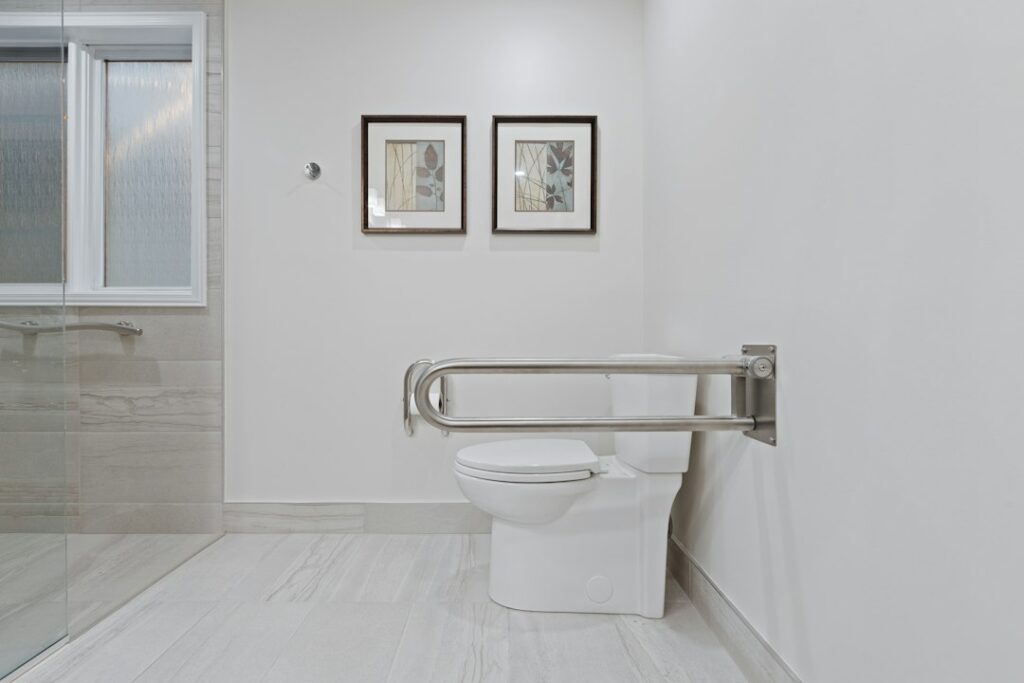
- Handrails in hallways and grab bars near toilets and showers
- Non-slip flooring and even transitions between surfaces
- Adequate lighting, including night lighting
- Secure entry and exit systems when memory support is needed
- Elevators that are easy to access and large enough for mobility devices
- Fire safety equipment and clearly marked evacuation routes
- Backup plans for power outages, severe weather, and other disruptions
Bathrooms deserve special attention because falls often occur during bathing, toileting, or transferring. A walk-in shower may be useful, but the details matter: Is there a built-in seat? Are controls easy to reach? Is the floor stable when wet? Can a wheelchair or walker fit comfortably?
For households in Bethlehem, winter conditions also make covered entrances, protected walkways, snow and ice procedures, and warm indoor routes worth discussing. Residents should not have to choose between attending an activity and navigating an unsafe outdoor surface.
How important are dining and kitchen amenities?
Dining amenities affect nutrition, medication routines, comfort, and social life. A suitable setting should offer more than attractive furnishings and scheduled meals.
Ask whether the community provides:
- Multiple meal choices or reasonable substitutions
- Accommodations for diabetes, food allergies, swallowing concerns, or other dietary needs
- Snacks and drinks between meals
- Flexible dining times when possible
- Assistance for residents who have difficulty opening containers or using utensils
- A comfortable dining area with manageable noise levels
- Access to water and other appropriate beverages throughout the day
The dining room should be observed during a meal rather than viewed only when it is empty. Notice whether residents appear rushed, whether tables can accommodate walkers or wheelchairs, and whether staff recognize individual preferences.
A kitchenette or small refrigerator in an apartment can also be useful, but families should clarify what residents may safely prepare. Some settings limit hot plates, appliances, or food storage for safety reasons.
Do housekeeping and laundry services make a meaningful difference?
Yes. Regular housekeeping and laundry assistance can reduce physical strain and help residents maintain a comfortable living space. These services are especially useful for people who can manage many personal tasks but no longer want to handle vacuuming, changing linens, carrying laundry, or cleaning bathrooms.
Questions to ask include:
- How often are apartments cleaned?
- Are linens changed on a regular schedule?
- Is personal laundry included, or does it carry an added charge?
- How are lost or mixed-up garments handled?
- Can residents request extra cleaning after an illness or accident?
- Are residents allowed to keep personal furniture and decorations?
A predictable housekeeping schedule is often more useful than an occasional deep cleaning. Residents may also value storage space, reachable closet rods, and room layouts that make it easier to organize clothing and personal belongings.
What transportation amenities are useful for residents?
Transportation can help residents remain connected to medical care, shopping, family visits, religious activities, and community events. The most useful transportation program is one with clear policies and dependable scheduling.
Find out:
- Which destinations are included
- How far in advance rides must be scheduled
- Whether vehicles can accommodate walkers or wheelchairs
- Whether a companion may ride along
- What happens when weather affects travel
- Whether transportation is available for urgent medical needs
- Whether there are fees for certain trips
Transportation is particularly relevant for households that cannot provide regular rides. A location may appear convenient on a map, but nearby roads, winter weather, parking conditions, and access to public transportation can affect how easily family members visit.
Which wellness and fitness amenities support independence?
Fitness amenities do not need to resemble a commercial gym. For many older adults, the most useful options are safe, supervised opportunities to maintain strength, balance, flexibility, and endurance.
Helpful features can include:
- Exercise classes adapted for different ability levels
- A small fitness room with easy-to-use equipment
- Indoor walking routes
- Outdoor seating and level walking paths
- Balance or mobility programs
- Space for occupational, physical, or restorative activities
- Wellness checks and health education

Outdoor areas should be evaluated in different seasons. Shade, benches, lighting, drainage, and smooth paths all affect whether residents can use the space safely. In a region with cold winters and changing weather, an indoor walking area may be more practical than a large outdoor garden alone.
How do activities and social spaces affect quality of life?
Social amenities help residents maintain routines, interests, and relationships. The best activity program is not necessarily the busiest one; it is the one that includes varied choices and respects different personalities.
Look for a mix of:
- Small-group conversations
- Music, crafts, games, and educational programs
- Religious or reflective activities when requested
- Exercise and movement sessions
- Reading, gardening, or technology activities
- Family events
- Quiet spaces for residents who prefer less stimulation
Common areas should include both lively and peaceful settings. A large activity room may support group events, while smaller lounges can make conversation easier for residents with hearing difficulties or social anxiety.
Ask whether residents help shape the activity calendar. A program built entirely around passive entertainment may not meet the needs of people who want purposeful tasks, learning opportunities, or chances to contribute.
What personal care and medication amenities should be clarified?
Personal care support is not always considered an “amenity,” but it strongly affects whether assisted living is a practical fit. Families should understand what assistance is available with bathing, dressing, grooming, toileting, mobility, and medication reminders or administration.
Policies may differ regarding:
- Medication storage and administration
- Assistance after a fall or illness
- Overnight support
- Incontinence care
- Mobility transfers
- Coordination with outside clinicians
- Changes in care needs over time
A resident’s needs may increase gradually. Ask what happens if the person later needs more support, and whether the apartment, bathroom, and staffing model can accommodate that change.
What should families inspect during a tour?
A useful tour includes ordinary details, not just formal amenities. Check whether hallways smell clean, temperatures feel comfortable, and signs are easy to read. Listen for excessive noise near bedrooms. Look at the distance from an apartment to the dining room, elevator, lounge, and outdoor area.
It can also help to ask residents:
- What do you enjoy doing here?
- How quickly does help usually arrive?
- Are meals served at convenient times?
- Is it easy to reach family members?
- What happens when the weather is poor?
- Which amenity do you use most often?
The most suitable setting is rarely the one with the longest amenity list. It is the one whose features match the resident’s abilities, preferences, health needs, and likely changes over time.
